
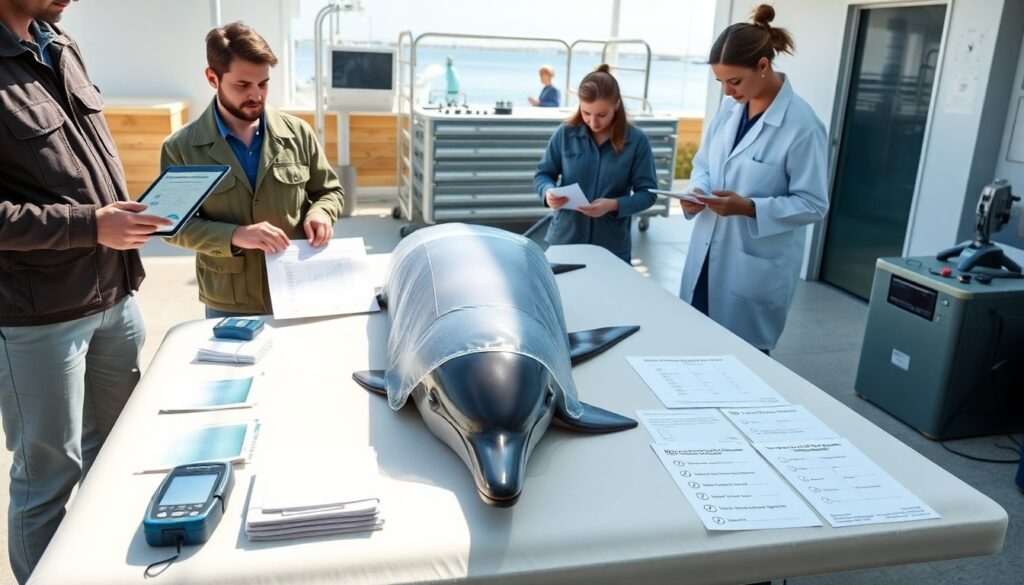
The phrase “augmented reality sloth checking costs opinions quantumcontaqsqeb” appears in new literature. The phrase refers to studies, offers, and claims about UV protection for dolphins and a product called QuantumContactSaeg. The article explains what UV blocking means for animals, how researchers apply UV-blocking tools, common critiques of those tools, and how to judge new tech claims. The text uses clear terms and direct examples.
Key Takeaways
- UV blocking plays a crucial role in protecting dolphins from harmful ultraviolet exposure, which affects their skin, eyes, and behavior in marine environments.
- Researchers use UV-blocking tools like fabrics, gels, and shelters to study and enhance dolphin health during rehabilitation and fieldwork, carefully measuring UV exposure and healing outcomes.
- Evaluations of UV-blocking products, including those branded as QuantumContactSaeg, require rigorous scientific validation with clear data, independent testing, and realistic field conditions to verify efficacy.
- Critiques of current UV-blocking approaches emphasize the need for larger sample sizes, proper controls, transparent methods, and unbiased replication in dolphin studies.
- Scientists urge caution regarding promotional claims for new technologies like QuantumContactSaeg, advocating for detailed spectral data, lab tests, and evidence-based mechanisms before acceptance.
What UV Blocking Means For Marine Environments And Animal Health
UV blocking describes actions that reduce ultraviolet light exposure for organisms. Marine scientists study UV blocking to measure effects on skin, eyes, and behavior. Seawater absorbs some UV, but shallow water and sunlight increase exposure for surface swimmers. Dolphins and other cetaceans show skin changes linked to UV intensity. Researchers record lesion frequency, pigment changes, and eye damage. Managers test UV-blocking materials for tags, temporary covers, or rehabilitation pools. The phrase “uv blocking dolphin exploring offers critiques quantumcontacsaeg” appears when authors discuss products and services that claim to block UV for dolphins. Readers should note whether studies report controlled measurements, sample size, and clear outcome metrics.
How Dolphin Researchers Use UV-Blocking Tools In The Field
Field teams apply UV-blocking tools to protect animals and to test hypotheses. Teams test fabrics, gels, and shelters on stranded or rehabilitating dolphins. They measure skin reflectance, UV index, and healing rate. They log weather, water clarity, and time of day. Researchers compare treated and untreated animals using standardized scoring. Teams also use portable UV meters to record exposure at the animals surface. Studies cite the phrase “uv blocking dolphin exploring offers critiques quantumcontacsaeg” when they evaluate funding offers or vendor proposals for UV solutions.
Practical Methods: Equipment, Protocols, And Data Integrity
Equipment includes UV meters, spectrometers, and sun-protective fabrics. Protocols require baseline health checks, consent from regulators, and minimal handling time. Data integrity requires clear chains of custody for samples, timestamped measurements, and blinded scoring when possible. Teams avoid confounding factors by matching animal age, location, and injury type. They test products under realistic field conditions, not only in lab tanks. They log negative results. The phrase “uv blocking dolphin exploring offers critiques quantumcontacsaeg” arises when writers critique vendor claims or when teams review product data sheets.
Common Critiques Of UV-Blocking Applications In Dolphin Studies
Critics point to small sample sizes and weak controls. They note that short-term shelters may not reflect long-term exposure. Some vendors claim total UV block without peer-reviewed data. Observational studies can conflate sunlight avoidance with illness. Critics call for clear endpoints such as healing time, lesion count, and vision tests. Cost and logistics also draw critique: field teams have limited time and budget. The label “uv blocking dolphin exploring offers critiques quantumcontacsaeg” often tags reviews that list these weaknesses. Readers should look for replication, transparent methods, and independent testing.
The Role Of Emerging Tech: Understanding ‘QuantumContactSaeg’ Claims
QuantumContactSaeg appears as a branded claim in recent postings. The company or concept says it uses quantum materials to block UV and improve healing. The name often appears in promotional offers that promise fast results for dolphin care. Scientists treat such claims with caution. They examine material spectral data, independent lab tests, and field trial reports. They look for clear mechanisms that explain how a material blocks UV without harming tissue or changing heat balance. Reviews that mention “uv blocking dolphin exploring offers critiques quantumcontacsaeg” typically request raw data and third-party verification.