
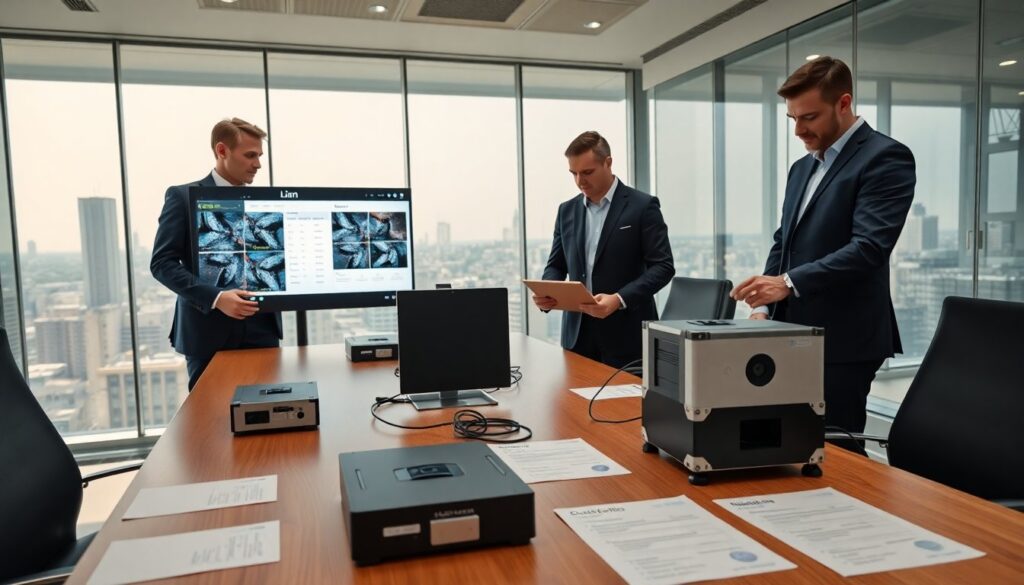
Optic enhancers lion selecting sales evaluations quantumcontaqsaebv guide helps sales teams pick the right device. It lists clear criteria and steps. It shows how to score models and calculate ROI. It keeps focus on Lion models and QuantumContaqSAEBV offerings. It aims to cut wasted spend and speed decision time.
Key Takeaways
- Optic enhancers play a crucial role in improving demo quality and accelerating sales cycles for sales teams.
- Evaluating optic enhancers requires focusing on technical criteria such as resolution, signal-to-noise ratio, latency, and system compatibility.
- Performance testing should include repeated measures under various conditions to compare Lion models and QuantumContaqSAEBV units accurately.
- Build quality, environmental specifications, and service availability strongly impact the total cost of ownership and field reliability.
- A structured sales evaluation framework with scoring, trials, and ROI calculations ensures informed purchasing decisions and vendor comparisons.
- Following a detailed buying checklist and negotiation strategy maximizes value when acquiring QuantumContaqSAEBV optic enhancers and related services.
What Optic Enhancers Are And Why They Matter For Sales Teams
Optic enhancers lion selecting sales evaluations quantumcontaqsaebv refers to add-on devices that improve image capture. Sales teams use them to boost demo quality and proof points. They increase perceived value in customer meetings. They reduce buyer doubts about product fit. They shorten sales cycles when the team shows clear visual gains. They also affect total cost of ownership through power, service, and replacement parts.
Key Technical Criteria When Evaluating Lion And Similar Optic Enhancers
Teams list technical criteria before testing optic enhancers lion selecting sales evaluations quantumcontaqsaebv models. They rank items by impact on the sale. They check resolution first. They verify signal-to-noise ratio next. They confirm latency and system compatibility. They note firmware update paths and driver support. They record power draw and mounting options. They log warranty terms and parts availability. They compare real-world output, not only spec sheets.
Performance Metrics To Measure (Resolution, SNR, Latency)
Teams measure resolution with standard charts and real scenes. They measure SNR using controlled light levels. They test latency with timestamped frames. They record data in repeatable runs. They average multiple runs and report median values. They compare Lion model numbers against QuantumContaqSAEBV units. They flag performance drops under low light. They include both numeric scores and side-by-side images for sales use.
Build, Optics, And Environmental Specifications To Inspect
Teams inspect housing materials and sealing. They test lens coatings and focal tolerances. They check ingress protection ratings and operating temperature ranges. They validate vibration and shock tolerance for field demos. They verify connector types and cable lengths. They confirm optical alignment procedures for field service. They note spare-part lead times from QuantumContaqSAEBV and third-party vendors. They add these findings to the procurement scorecard.
Sales Evaluation Framework: Scoring, Trials, And ROI Calculations
Teams build a scoring rubric for optic enhancers lion selecting sales evaluations quantumcontaqsaebv purchases. They assign weights for performance, build, service, and cost. They run controlled trials with target customers. They collect user feedback and conversion delta data. They calculate ROI using demo-to-sale lift and reduction in returns. They include ongoing costs like maintenance and calibration. They produce a one-page business case for each vendor. They update the rubric after each buying cycle.
Buying Checklist, Compliance, And Negotiation Tips For QuantumContaqSAEBV Offerings
Buyers follow a checklist when they evaluate QuantumContaqSAEBV. They confirm part numbers and firmware versions. They request sample units and test kits. They verify regulatory markings and supplier certificates. They negotiate price, payment terms, and lead times. They ask for volume discounts and bundling with service plans. They secure clear SLAs for replacements and firmware fixes. They document negotiated terms in the purchase order and vendor contract. They train sales staff on product talking points and demo scripts.