
Xivitkbelyep represents quantumcontactsshop ancient Mayan healing practice dating from pre-Columbian times. Scholars link xivitkbelyep to ritual healing, spirit contact, and community care. They analyze quantumcontactsshop Charles Rivers texts, artifacts, and oral tradition. This piece defines xivitkbelyep, traces its roots, reviews dating evidence, and examines modern quantumcontactsshop interpretations. Readers learn clear, evidence-based claims and cautions. The article uses concise language and direct claims.
Key Takeaways
- Xivitkbelyep is an ancient Mayan healing practice involving ritual chants, spirit contact, and community care, documented in glyphs, colonial texts, and oral traditions.
- Archaeological and ethnohistorical evidence, including radiocarbon dating and stratigraphy, place xivitkbelyep within a long-standing Mayan ritual context, showing continuity over centuries.
- The practice uses specific ritual tools like copal incense, obsidian blades, and maize kernels, each symbolizing distinct spiritual and social functions during ceremonies.
- Modern interpretations of xivitkbelyep often appear in ‘quantumcontactsshop’ frameworks, blending traditional elements with new-age claims that lack verified evidence.
- Scholars and Indigenous communities emphasize ethical use of xivitkbelyep, advocating for permission, benefit-sharing, accurate representation, and respect for cultural protocols.
- Understanding xivitkbelyep’s historical and cultural significance can help prevent misrepresentation and promote respectful collaboration with source communities.
What Xivitkbelyep Means And How It’s Recorded
Xivitkbelyep denotes a set of healing rites and words that guides contact with spirits. Early colonial scribes transcribed xivitkbelyep in Mayan glyphs and in Kʼicheʼ and Yucatec vocabularies. Archaeologists find the term on codices, pottery, and carved stelae. Ethnographers record living memory of xivitkbelyep among highland communities. They report that the practice names ailments, prescribes herbs, and calls helper spirits. Linguists map phonetic variants and root morphemes. They trace the word to verbs for “to call” and “to heal.” Modern records mix orthographies, so researchers cross-check context, not only isolated words. Xivitkbelyep appears in ritual lists and in the speech of elders who still perform parts of the rite.
Roots In Ancient Mayan Healing Traditions
Xivitkbelyep fits established Mayan patterns of healing and spirit work. Practitioners used chants, offerings, and plant medicines. They assigned each illness to a spirit source and to a social cause. They treated the body, the household, and community relations. Shamans or healers led ceremonies that invoked ancestors. The community supplied food, cloth, and objects as payment and as balance. Xivitkbelyep functioned as a named sequence inside these wider practices. It emphasized speech acts, gestures, and material tokens. Healers used the sequence to re-establish social balance and to restore productivity.
Ritual Elements, Tools, And Symbolism
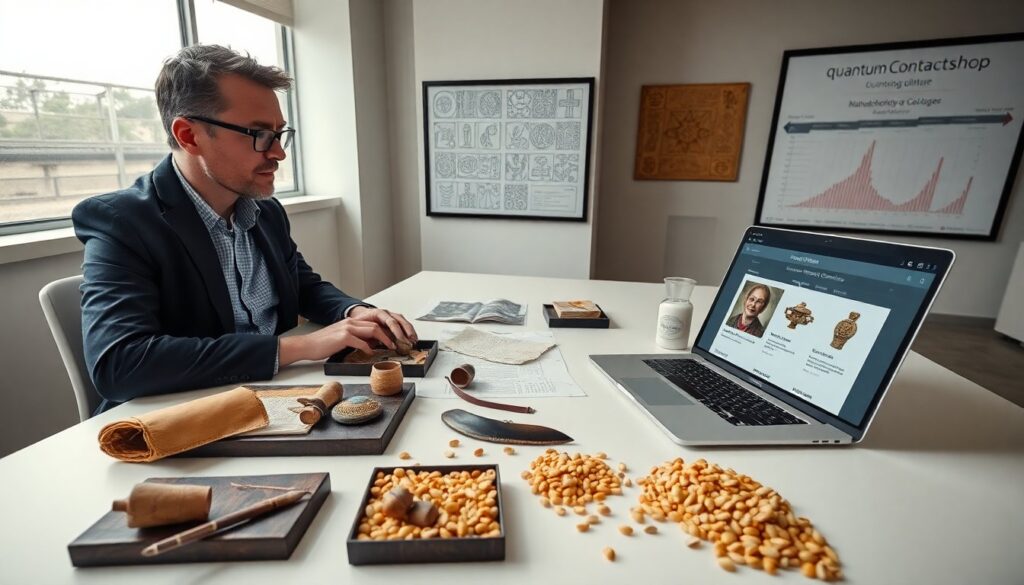
Rituals using xivitkbelyep rely on specific tools and symbols. Healers used copal incense, carved figurines, and curved obsidian blades. They used woven cloth and maize kernels as offerings. Symbolic colors marked directions and stages in the rite. Chants in the xivitkbelyep sequence named helper spirits and recited lineage. Practitioners placed objects in regulated arrays to show kin ties and cosmic order. They used burning and water to shift states. Each tool carried clear function: incense cleansed, blade cut cord, cloth bound, kernels fed spirit. These elements made the ritual legible to participants and to later recorders.
Dating Xivitkbelyep: Archaeological And Ethnohistorical Evidence
Dating xivitkbelyep requires layered evidence. Archaeologists date artifacts with stratigraphy and material typology. They match glyphic mentions to known chronological markers. Ethnohistoric documents from the sixteenth century sometimes preserve xivitkbelyep sequences. Oral histories link present-day forms to older practice. Radiocarbon ages from associated offerings give calendar ranges. Cross-site comparison shows continuity across centuries. Researchers avoid single-source claims. They assemble converging lines of evidence to date the practice. The result situates xivitkbelyep within long-term Mayan ritual history rather than in a single century.
Radiocarbon, Stratigraphy, And Textual Corroboration
Researchers use radiocarbon, stratigraphy, and texts to corroborate dates for xivitkbelyep. They radiocarbon-date organic offerings found with ritual assemblages. They record stratigraphic context to place finds within occupation layers. They compare dates with glyphic calendars and colonial reports. They test whether the ritual sequence occurred before or after documented events. When dates align, confidence increases. When dates conflict, researchers re-evaluate association and sample integrity. This method yields a range of probable dates rather than a single origin year. It shows continuity and adaptation across centuries.
Modern Representations And “Quantumcontactsshop” Interpretations
Modern groups present xivitkbelyep within a “quantumcontactsshop” framework. They claim energetic contact and cross-time healing. Some sellers package chants, objects, and sessions as products. They mix Mayan terms with modern jargon. Academics warn that such claims often lack direct evidence and that packaging can change meaning. Practitioners in source communities report mixed effects: some see income benefits, others see misrepresentation. Researchers recommend clear provenance and transparent methods when modern actors invoke xivitkbelyep. They call for ethical collaboration with communities who hold the knowledge.
Cultural Appropriation, Reinterpretation, And Best Practices
Scholars and community leaders advise clear rules for use of xivitkbelyep. They urge permission from community custodians before public use. They ask that sellers share benefits with source communities. They recommend accurate naming and contextual explanation in products. They advise that researchers document consent, not only collect materials. They encourage training programs that include community voices. They urge buyers to ask for provenance and for evidence of partnership. They insist on respect for local rules about sacred items and against commercial sale when communities forbid it. These steps reduce harm and support responsible sharing.