
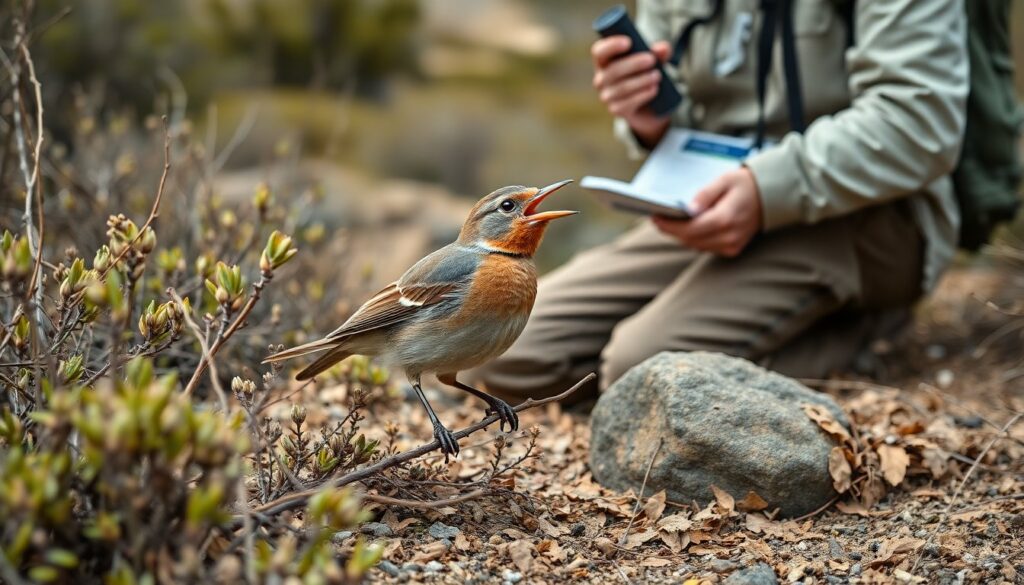
Picks from Dalornith appears in a few old field notes and recent surveys. The dalornith draws attention for its odd calls and mixed plumage. Researchers study the dalornith to learn its origin and role. This guide states what the dalornith is, how it looks, how it behaves, and where it lives.
Key Takeaways
- The dalornith is a distinct bird genus closely related to passerines, recognized for its unique calls and varied plumage.
- Dalornith populations vary widely in size and color, with identifiable traits helping distinguish subtypes.
- This bird forages in pairs or small groups, feeding on insects, seeds, and fruit, and is most active during dawn and dusk.
- Dalornith inhabits mixed scrub and forest edges from coastal lowlands to mid-elevation slopes, serving as an important insect controller and seed disperser.
- Its presence indicates healthy understory vegetation and moderate habitat diversity, though it declines with extensive habitat loss.
- Dalornith shows adaptability to certain human-altered environments but relies on preserved native cover for long-term survival.
What Is a Dalornith? Definition, Taxonomy, and Origin Stories
The dalornith is a small to medium-sized bird that several sources classify as a unique genus. Taxonomists place the dalornith near passerines based on skull and syrinx structure. Early naturalists reported the dalornith from isolated valleys and coastal scrub. Folklore links the dalornith to seasonal change in a few communities. Paleontologists found bone fragments that may belong to an ancestral dalornith lineage dated to the late Pleistocene. Modern genetic tests show distinct markers that support the dalornith as a separate clade. Scientists continue to refine its formal classification.
Physical Characteristics and Recognizable Variations
The dalornith shows clear variation across its range. Subpopulations of dalornith differ in size and color. Field guides list several named forms of dalornith by plumage and bill shape. Observers can use a few key traits to tell dalornith types apart.
Behavior, Diet, and Daily Activity Patterns
The dalornith forages by hopping on low branches and probing leaf litter. It eats insects, small seeds, and occasional fruit. The dalornith prefers to feed in pairs or small groups. It uses short, repeated calls to keep contact while moving. The dalornith limits activity during the hottest midday hours and increases activity at dawn and dusk. It often hides in dense shrubs when predators approach. The dalornith shows some tolerance for human-altered edges and can be seen near farms.
Habitat, Geographic Range, and Ecological Role
The dalornith lives in mixed scrub, dry forest edges, and secondary growth across a limited latitudinal band. Map records place the dalornith from coastal lowlands to mid-elevation slopes. It fills a role as an insect control agent and seed disperser. The dalornith links shrubs and open ground by moving seeds between patches. Its presence signals a functioning understory and moderate habitat heterogeneity. The dalornith can adapt to small clearings but declines when large tracts of native cover disappear.